
OTICON HEARING AIDS
Oticon has lived up to her name when it comes to providing life-changing hearing aids that enable people with hearing loss to experience optimum listening comfort.
Now powered by their latest chip, the Polaris R, Oticon Real hearing aids (the Newest Oticon hearing aids) deliver exceptional speech sounds to the ears with Oticons RealSound and MoreSound 2.0 technology that supports the brain and provides dynamic noise cancellation in challenging environments. With Oticon, you will hear and understand every sound.
Experience Brain Hearing with Oticon.

Meet the Latest Oticon Hearing Aids
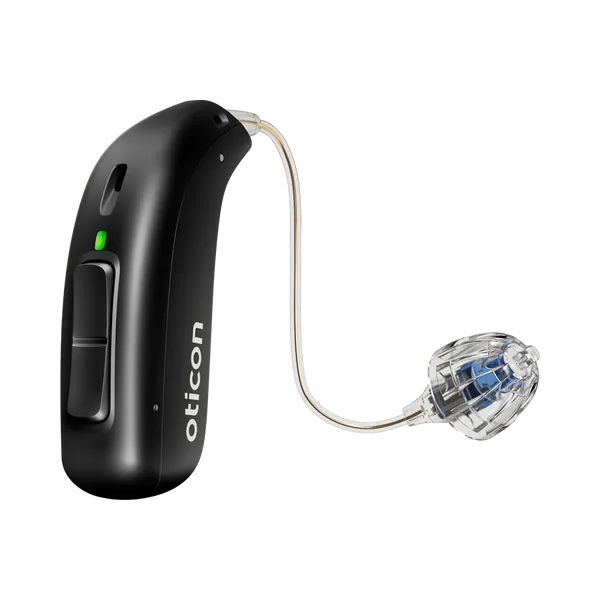
Oticon Real miniRITE R
Hear even amid noise
Oticon Real is the latest addition to Oticon hearing aids. Powered by their newest chip, the Polaris R, this chip uses Oticon’s Deep Neural Network (DNN) for high sound processing to make sounds more distinct and work great in challenging listening environments. This DNN is trained to recognize over 12M real-life sounds and make sounds more distinct and the hearing aids work great in challenging listening environments.
The MoreSound Intelligence 2.0 is a higher upgrade of the MoreSound technology from the Oticon More model and was built to help with sound perception and understanding in any listening situation. This MoreSound intelligence scans the environment 500 times in a second to understand the environment and automatically adjusts based on the DNN sound training to help the user understand sounds better.
With the Oticon Real MiniRITE R, you can be a part of conversations even in noisy environments by seamlessly connecting your hearing aids to your favourite Bluetooth device to enjoy hands-free calls and music streaming.
These rechargeable hearing aids are nanocoated water-resistant and are made to give hearing aid users a more realistic simulation of the real-life hearing they once had by upgrading the Oticon Mores’ Polaris platform and perfecting their noise cancellation technology.

10% of the profit from all hearing aid purchases funds audiology services in developing countries.
Oticon Real miniRITE T
Hear like never before with Oticon Real.
The miniRITE T is a non-rechargeable hearing aid and just like the miniRITE R, it is a Nanocoated and water-resistant Oticon hearing aid that is suitable for people with mild to profound hearing loss.
Built on the Polaris R platform, these Oticon hearing aids harness the power of the MoreSound Amplifier 2.0 in partnership with the Moresound intelligence to provide a balanced amplification of meaningful sounds by scanning your environment and amplifying the volume of speech sounds to mask the volume of noise. This way, your hearing aids provide a natural hearing experience where you’re not overwhelmed by the noise. The MoreSound amplifier is armed with the SuddenSound Stabilizer to detect and adjust both soft and loud sudden sounds immediately after they occur, making them audible but never uncomfortable.
Experience soothing relief from tinnitus with Oticons Tinnitus Sound support. This sound support is a generator that disperses sounds to your Oticon hearing aids to distract you from the disturbance of your tinnitus. You can get to pick from soothing ocean sounds to nature sounds or even white noise.
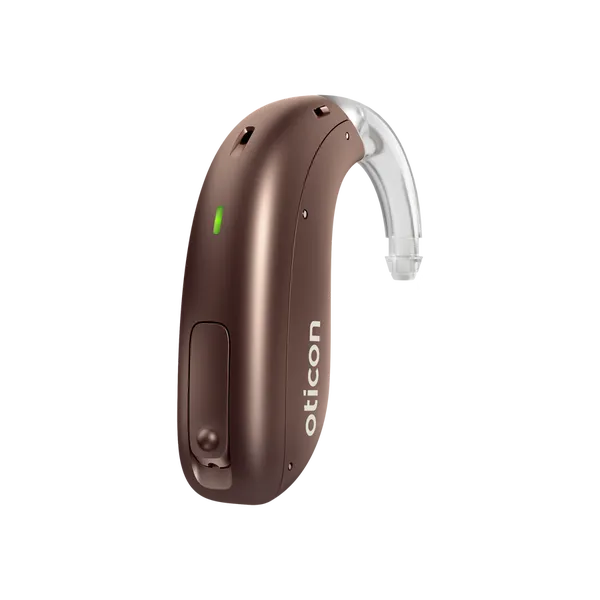
Oticon Real miniBTE R
This is a rechargeable and water-resistant behind the ear Oticon hearing aids made to rest behind the ear with a transparent hook that holds the hearing aids in place. They can be paired with hearing aid moulds or domes and are suitable for users with moderate to severe hearing loss.
Still built on the Polaris R chip, this Oticon hearing aids works with the DNN and the MoreSound technology to provide optimum listening comfort in noisy environments.
The MoreSound Optimizer 2.0 in the Oticon Real hearing aids seamlessly detects and prevents noisy feedback in your hearing aids before it even occurs, making it possible for your hearing aids to provide clear and concise speech sounds all day. This Optimizer works because of the 12 million plus real-life sounds trained into the DNN to make sounds more distinct and work great in challenging listening.
Enjoy universal Bluetooth connectivity with the miniBTE R and stream music and calls directly to your Oticon Hearing aids.
Oticon Real miniBTE T
Hear Real Sounds with Oticon Real
Just like the BTE R the BTE T was also built on the Polaris R platform and is a nano-coated water-resistant hearing aids suitable for moderate to profound hearing loss.
These non-rechargeable Oticon hearing aids harness the power of the revolutionary RealSound tech, a technology peculiar to the Oticon Real hearing aid models.
This RealSound tech balances speech sounds from sudden disruptive sounds in noisy environments making for optimum and dynamic noise cancellation in your oticon hearing aids. The RealSound has features that aid this process such as the wind and handling noise feature and sudden sound feature.
The Wind and Handling Stabilizer feature in the Oticon Real protects against those uncomfortable handling noises that occur, such as your hair, hands, or glasses touching the microphones of your hearing aids. It also protects against wind noises by scanning your environment 500 times per second to detect and clean up these sounds.
The SuddenSound detectors in the Oticon Real were programmed to detect over 500,000 sudden sounds to help your hearing aids monitor your environment and lower the amplification of those sudden sounds that constantly occur around you. They adjust the speech sounds to the above noisy Sudden sounds like the tapping on keyboards, slammed doors, car horns etc.
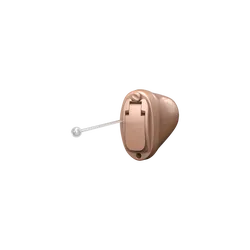
Oticon Own IIC
Made to be invisible.
The Oticon Own is one of the latest Oticon hearing aids in the ITC range. Built on the Polaris chip, these non-rechargeable Oticon hearing aids are custom-made to fit the exact dimensions of your ears and be invisible to the human eye. So if you are after discreet hearing aids, the Oticon Own IIC would be a perfect fit because they were made to give you the option of personalized and invisible yet powerful custom-made hearing aids.
These water-resistant invisible-in-the-canal hearing aids utilise Oticons Deep Neural Network (DNN) technology to automatically adapt to noisy environments. They are a perfect fit if you have mild to severe hearing loss.
Oticon Own CIC
The Oticon Own CIC is a water-resistant hearing aid that is custom-made to completely fit into the ear canals, hiding them in plain sight. Although these Oticon hearing aids aren’t 100% invisible, they are discreet and can’t be seen easily especially when the colour is close to your skin tone.
Built on the Polaris chip, the Own CIC utilises the MoreSound intelligence technology which was built to help you understand speech sounds and be a part of conversations even in noisy environments. In challenging environments, the Oticon Own CIC comprehensively scans your environment 500 times per second to understand it and automatically amplify the speech sounds present based on the DNN sound training.
Available in 5 different colours, you can get these Non-rechargeable Oticon hearing aids in the colour closest to your skin tone.
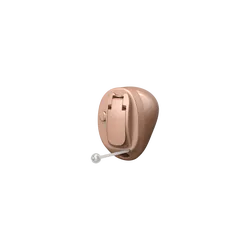
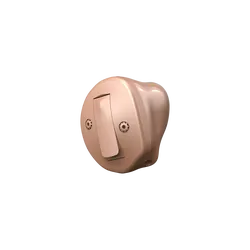
Oticon Own ITC
The Oticon Own ITC is a non-rechargeable water-resistant hearing aid custom-made to sit in the ear canal.
Built on the Polaris Platform, the MoreSound Amplifier in partnership with the Moresound intelligence provides a balanced amplified system to your Oticon hearing aids in a noisy environment by scanning that environment and amplifying the volume of speech sounds to override the volume of noise, thereby providing a dynamic noise cancellation and natural hearing experience where you are never overwhelmed with noise.
This Hearing aid is the only Oticon hearing aid in the ITC range to be Bluetooth compatible. It is iOS compatible and pairs directly to any iOS Bluetooth device and also pairs with Android devices with version 10 and later using the Android accessibility Protocol, Audio Streaming for hearing aids (AHSA).
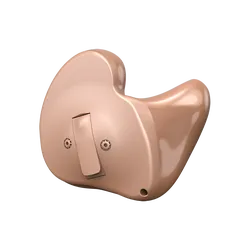
Oticon Own ITE Full shell
Experience optimum natural hearing with these Oticon Hearing Aids custom-made to rest visibly in the ear. Made to look like earbuds, these non-rechargeable water-resistant hearing aids would be suitable for you if you have mild to severe hearing loss and prefer something functional and easy to insert and remove.
The Own Full Shell utilises Oticons BrainHearing technology to teach your brain how to make sense of sounds in noisy environments with the help of the DNN. With these hearing aids, you can say goodbye to annoying feedback as the MoreSound Optimizer detects and prevents it before it even occurs, making it possible for your hearing aids to provide optimal listening comfort all day.
Hear comfortably with Oticon.
Thank you for showing kindness to children with hearing loss in developing countries by choosing Verified Hearing.
Oticon Own ITE Half Shell
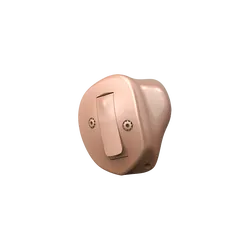
These in-the-ear Oticon hearing aids are a smaller fit of the ITE full shell. The ITEhalf shell is a non-rechargeable custom-made hearing aid made to sit discreetly in the ear.
Suitable for mild to severe hearing loss, these hearing aids were made to give you the option of a personalized and barely visible fit with powerful functionality features.
Available in 5 different colour options, these Oticon hearing aids are iOS compatible. Get to stream music and take calls by pairing your hearing aids with any of your iOS Bluetooth devices. It also pairs with Android devices with version 10 and later, using the Android accessibility Protocol, Audio Streaming for hearing aids ( AHSA)
Request your FREE hearing aid trial
Request an appointment today with our audiologist for your free hearing aids trial and we will call you ASAP to finalise your booking.
Request Appointment
Revolutionary connectivity with Oticon Bluetooth Hearing aids.
Experience seamless connectivity with your world with Oticon Bluetooth Hearing aids.
Most of these Oticon hearing aids Bluetooth features are iOS compatible and pair seamlessly with any iOS Bluetooth device. Get to pair your favourite device with your Oticon hearing aids and enjoy hands-free calls and music streaming directly to your hearing aids.
Oticon Bluetooth hearing aids also pair with Android devices using Oticon’s Android accessibility Protocol, Audio Streaming for hearing aids (ASHA).
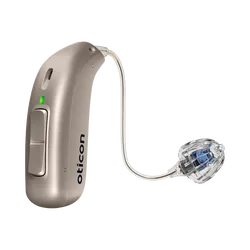
Oticon rechargeable Hearing aids; the solution to uninterrupted hearing
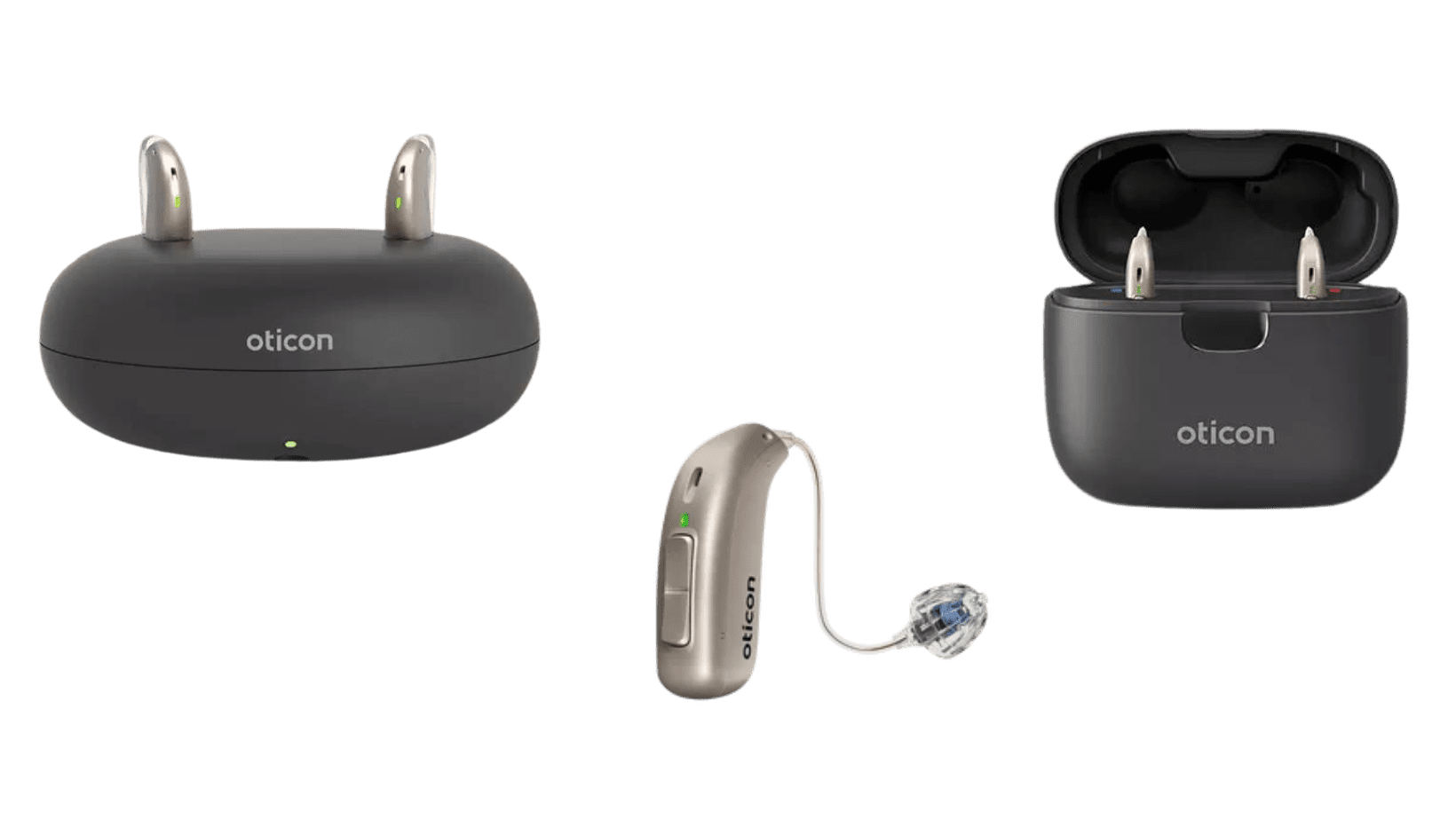
Oticon has made available a long-lasting solution to the constant changing of hearing aid batteries with the brilliant option of rechargeable hearing aids.
Most Oticon rechargeable hearing aids have powerful runtime power of over 24 hours with Bluetooth streaming and 3 to 3.5 hours of charge time. With these Oticon hearing aids, you can charge all night and hear all day with zero worries of running out of battery.
Oticon hearing aid apps; the key to personalizing your hearing
Personalise your hearing with the Oticon hearing aids app.
Oticon Companion is the latest Oticon hearing aids app with new solutions that give you control of your hearing aids as you have the liberty to personalise sounds in different listening environments. With the Companion app, you can find your Oticon hearing aids if they ever get lost and even receive remote help from your audiologist if you’re far away.
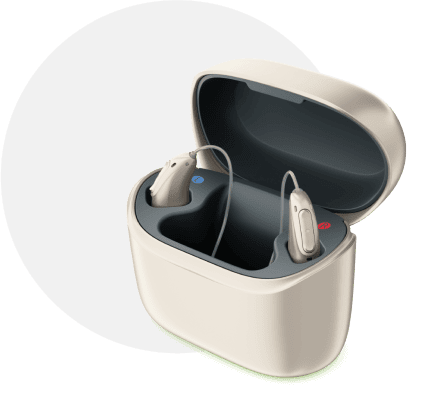
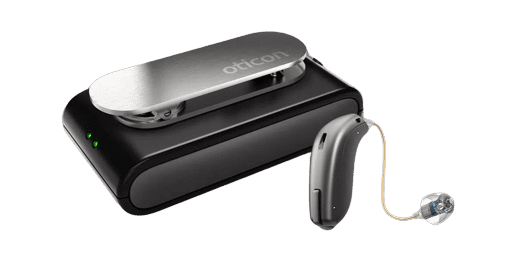
Oticon hearing aid accessories; enhance connectivity and comfort
The Connect Clip is one of Oticon’s hearing aid accessories with multi-features. This Oticon hearing aid accessory can act as a microphone, and remote control, and even turn your Oticon hearing aids into a wireless headset through Bluetooth streaming. The ConnectClip also enables hands-free calls and music streaming directly to your Oticon hearing aids.
Oticon also has other Hearing aid accessories such as the EduMic, a remote microphone that helps stream audio directly from your device to your hearing aids.
Experience reliable hearing solutions with Oticon hearing aid Batteries
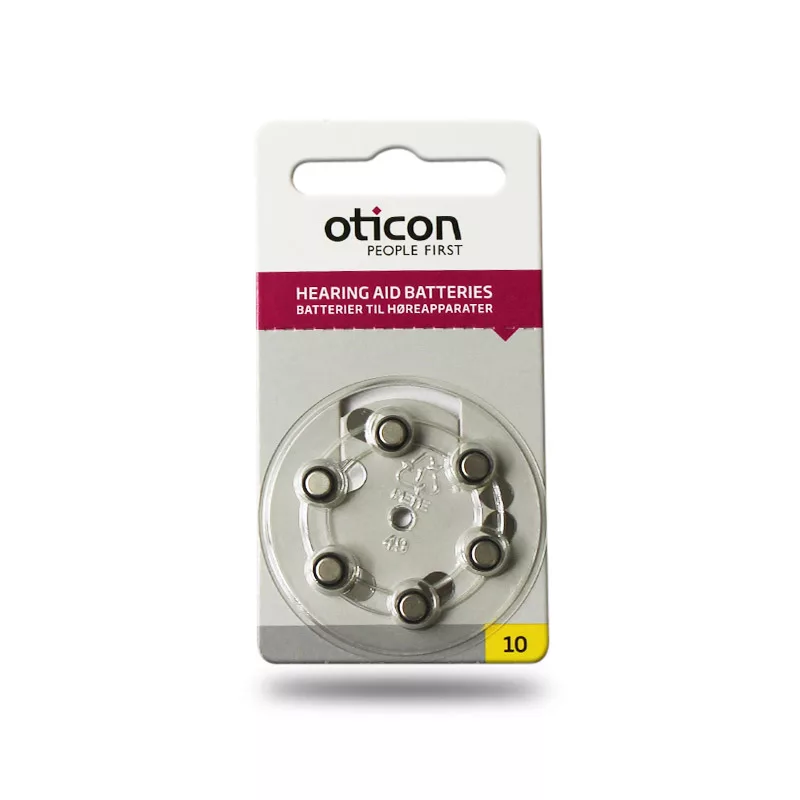
Not all Oticon hearing aids are powered by a rechargeable Lithium-ion battery. Some of these hearing aids make use of disposable Zinc-air hearing aid batteries that give up to 72 hours of continuous listening. These Oticon Hearing aid batteries come in different sizes and have different days-long battery life peculiar to them.
Explore Oticon’s range of hearing aids with replaceable batteries.

Amplify your hearing with the right Oticon Hearing Aid Domes
Oticon hearing aid domes come in different sizes, types and styles and each one is peculiar to hearing loss and style of Oticon hearing aids.
Choosing the right Oticon Hearing Aid domes can’t be done without the help of a skilled audiologist. At Verified Hearing, our skilled Audiologists will guide you on such a journey of unmatched hearing care and choosing the perfect hearing aid domes.
Safe Journey 10%
10% of our profit from your hearing aids will travel to Africa.
Oticon Hearing aid prices
Oticon hearing aids have a few criteria that determine their price; The technology level, the type of Oticon hearing aids, the features, and the type of battery used.
However, at Verified Hearing, we take into full consideration the availability of affordable and budget-friendly options in our Oticon Hearing aid prices.
Oticon hearing aid troubleshooting guide.
Experience ease with navigating your hearing aids with our detailed guide on Oticon hearing aids troubleshooting.
Get to charge, pair, reset and master your Oticon hearing aids.
References:
- Oticon. MoreSound Optimizer. https://wdh02.azureedge.net/-/media/oticon-us/main/download-center—myoticon—product-literature/whitepapers/19900-1011-moresound-optimizer-mso-tech-paper.pdf?rev=8836&la=en&hash=4724DF57802B85126F3AC0813BED769C Accessed 13th September 2023
- Oticon. MoreSound Amplifier. https://wdh02.azureedge.net/-/media/oticon-us/main/download-center—myoticon—product-literature/whitepapers/155550031–moresound-amplifier-msa-tech-paper.pdf?la=en&rev=65C1&hash=D3F7639A959C537EFDC34D98E3F3D4E7 Accessed 13th September 2023
- Oticon. MoreSound Intelligence. https://wdh02.azureedge.net/-/media/oticon-us/main/download-center—myoticon—product-literature/whitepapers/155550028–moresound-intelligence-msi-tech-paper.pdf?la=en&rev=1B24&hash=A80FCBEB6D81310C222110972FCF98B9 Accessed 13th September 2023.
- Oticon. Wind and Handling Stabilizer. Whitepaper. https://wdh02.azureedge.net/-/media/oticon-us/main/download-center—myoticon—product-literature/real/pi/15555-0055—h1-2023—wind-and-handling-stabilizer-whitepaper.pdf?la=en&rev=31EF&hash=35A78146E56AFD46285068DBE5407AB4 Accessed 13th September 2023.
- Oticon. SuddenSound Stabilizer. Whitepaper. https://wdh02.azureedge.net/-/media/oticon-us/main/download-center—myoticon—product-literature/real/pi/15555-0054—h1-2023—suddensound-stabilizer-whitepaper.pdf?la=en&rev=F919&hash=0BF88541B172FCC3935B4A0C6201A1DA Accessed 13th September 2023.
- Oticon. BrainHearing Technology. https://www.oticon.com/your-hearing/hearing-health/brainhearing-technology Accessed 4th September 2023
- Oticon. RealSound Technology. https://www.oticon.com/professionals/brainhearing-technology/real-technology#:~:text=RealSound%20Technology%E2%80%AF Accessed 10th September 2023.
- Oticon. Polaris R Platform. https://www.oticon.com/professionals/brainhearing-technology/real-technology#:~:text=varying%20listening%20environments.-,Polaris%20R%20Platform,-Our%20most%20powerful Accessed 5th September 2023.
- Oticon. Polaris: The world’s first platform featuring an embedded DNN. https://www.oticon.com/professionals/brainhearing-technology/more-technology#:~:text=The%20world%E2%80%99s%20first%20platform%20featuring%20an%20embedded%20DNN Accessed 5th September 2023.
- Oticon. Solutions. https://www.oticon.com/solutions Accessed 4th September 2023.
- Oticon. Rechargeable Hearing Aids. https://www.oticon.com/solutions/rechargeable-hearing-aids Accessed 4th September 2023.
- Oticon. ConnectClip. https://www.oticon.com/solutions/accessories/connectclip Accessed 5th September 2023.
- Oticon. Oticon Companion App. https://www.oticon.com/support/wireless-listening/oticon-companion-app Accessed 8th September 2023.
- Oticon, Tinnitus Treatment. https://www.oticon.global/hearing-aid-users/hearing-loss/tinnitus/tinnitus-treatment Accessed 5th September 2023.
- Oticon. What is a Deep Neural Network (DNN)? https://www.oticon.com/blog/what-is-a-deep-neural-network-dnn Published 29th January 2020. Accessed 13th September 2023