Glue ear treatment: Innovative solutions for treating glue ear
Glue ear, also known as otitis media with effusion, is a common condition that affects many children and adults. It occurs when the middle ear becomes filled with a sticky fluid, which can lead to hearing loss and other complications. In most cases, patients with glue ear will have an associated conductive hearing loss because sound cannot travel efficiently to the inner due to the fluid blockage. A conductive hearing loss caused by glue ear is usually temporary and would resolve when the glue ear does.
Over the years treatment for glue ear has evolved with some relatively new treatments for glue ear such as bone conduction hearing and autoinflation devices becoming readily accessible. Surgical interventions have become a lot safer, hearing aids for glue ear a lot more advanced, and autoinflation (balloon treatment for glue ear) devices easier to use. Now let’s discuss the benefits, risks, and effectiveness of the three main options for treating glue ear:
Ear Grommets for glue ear treatment
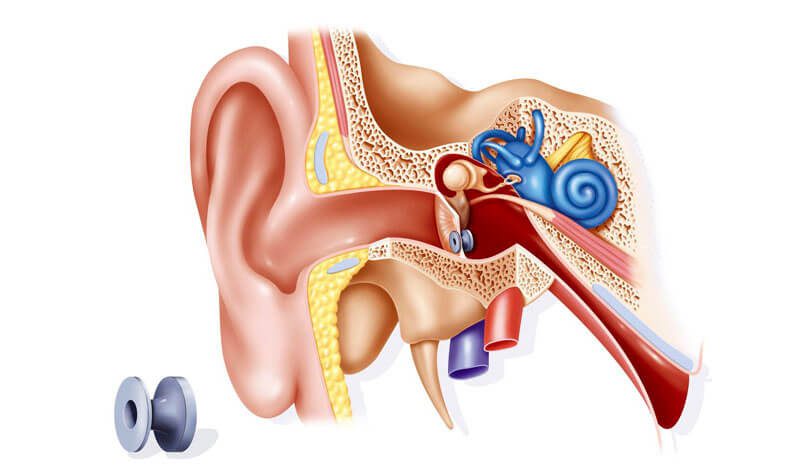
Grommets, also known as tympanostomy tubes, are small plastic or metal tubes that are surgically inserted into the eardrum. This procedure is usually done under general anesthesia, and it takes about 15 minutes to complete. Grommets are designed to drain the fluid from the middle ear and prevent it from building up again.
Grommets are a popular treatment option for glue ear, and they’re often recommended for children who have had persistent glue ear for more than three months. They’re also suitable for adults who have recurrent glue ear or hearing loss due to glue ear. It is important to note that if glue ear has caused a significant hearing loss, it would be a wise decision to have hearing aids in the three months leading to your child’s next review appointment as hearing loss in children can be detrimental to their speech and language development, general learning, and behaviour.
The benefits of grommets for glue ear treatment are significant. They can improve hearing, reduce the risk of ear infections, and alleviate symptoms such as ear pain, tinnitus, and dizziness. Grommets can also improve speech and language development in children who have had glue ear for an extended period.
However, there are some risks associated with grommets. These include a small risk of infection, bleeding, and scarring. Some people may also experience discomfort or discharge from their ears for a few days after the procedure. In rare cases, grommets may become blocked or dislodged, which can require additional medical attention or even surgery to correct. It’s essential to closely monitor the ears for any signs of infection or complications after the grommet procedure and to seek medical advice if any concerns arise. It’s also worth noting that grommets may not be a permanent solution for glue ear and may need to be replaced or removed if they are no longer effective.
Grommets may not be suitable for everyone, particularly individuals with certain medical conditions or anatomical abnormalities that may increase the risks associated with the procedure. It’s crucial to discuss any pre-existing health conditions or concerns with the ENT specialist before opting for grommets as a treatment option for glue ear.
Hearing aids for glue ear

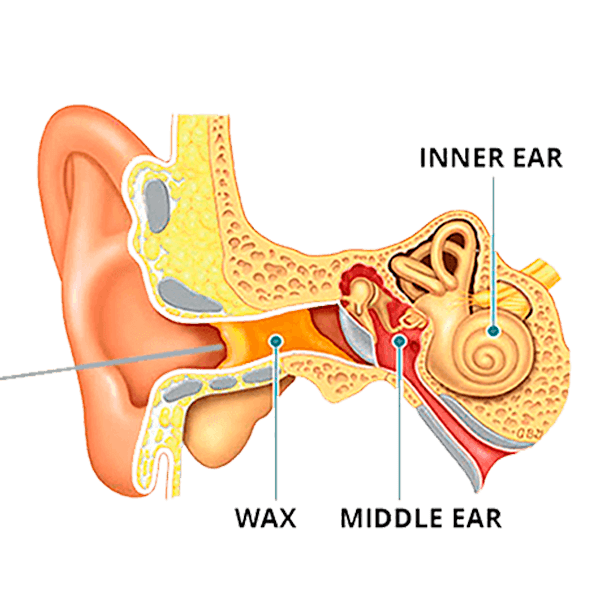
Glue will cause conductive hearing loss in most cases. So what is conductive hearing loss? If you can imagine your ears to be a room with three doors. If you could walk into your ear canal, the first door you will see is your eardrum, if you open this door, just behind it is would be a space called the middle ear which has three small bones called the malleus, incus, and stapes, then just after this compartment is the inner ear where you find the cochlea. For us to hear, sound has to travel from the outer ear, vibrate the eardrum, and then travel through the bones in the middle ear to the cochlear where the sound gets processed and sent to the brain. The optimal state of the middle ear would be an air filled chamber for free movement of the bones. As you can imagine, if this gets filled with sticky fluid (glue ear), the sound would struggle to travel through the middle ear to the cochlear to get processed in the brain. Because your cochlear (in the inner ear) is okay, but the middle ear which is a conduit by which sound gets to the cochlear is filled with fluid, we call this a conductive hearing loss.
A bone conduction hearing aid is designed to transmit sound through the skull bone to the inner ear, which can then be processed by the brain as sound signals, bypassing this sticky fluid. Now these hearing aids are best for glue ear because they only work if the ears are blocked with fluid. Once the fluid clears and hearing becomes normal, the sound passing through the skull no longer dominates the normal air conduction route of sound. This makes it a safe option for children who may not be able to express when they can hear better i.e. when their glue ear has resolved.
In some instances, patients with particular predisposition to glue ear will have a fixture placed on the skull and then the glue ear hearing aid fixed to it – this is called a bone anchored hearing aid. The same technology is used for patients who do not have recurrent glue ear but it is pressed against the skull with a headband or hat (so no surgery required) – this is called bone conduction hearing aid.
Otovent glue ear treatment

So we know most cases of glue ear would resolve within three months, but won’t it be cool if we could speed up that process?
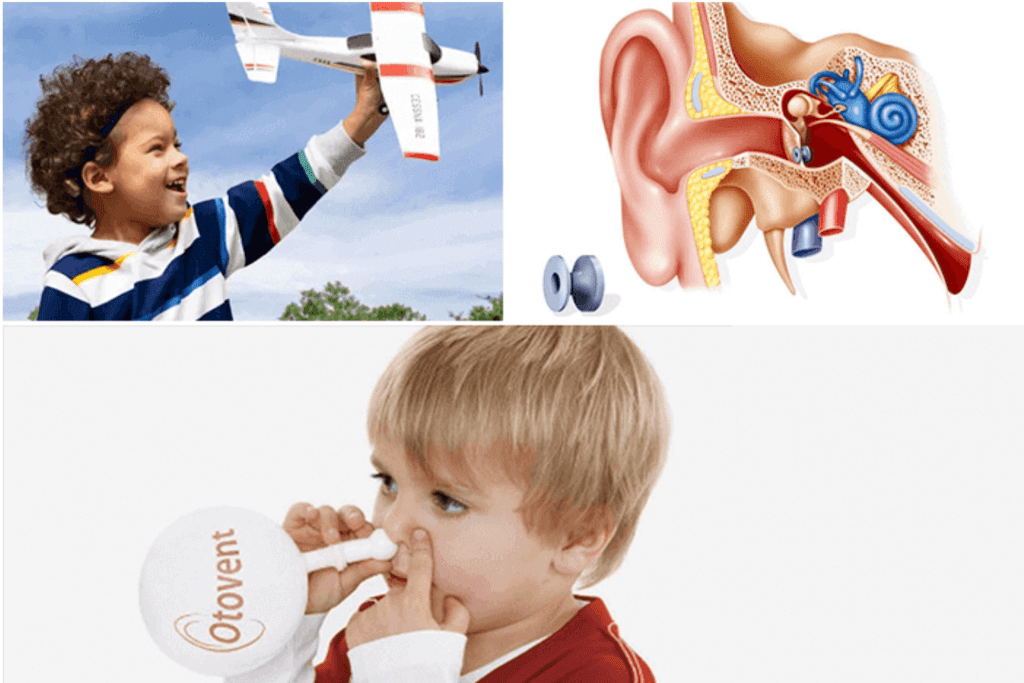
That’s where autoinflation exercises using the Otovent balloon come in handy. Otovent is a balloon designed for treating glue ear at home. It’s clever the way it works – as you blow the balloon with your nose your eustachian tube (the tube connecting your middle ear to the back of the nose) opens and closes thereby equalising the pressure in your middle ear. In some cases, this method alone is sufficient to resolve glue ear. It is important to note that although this alternative glue ear treatment is very effective, it is not a one-hit wonder. You will typically need to use the balloon for two to three weeks to see results, although using it longer than this is encouraged too.
Glue ear private treatment
In the UK, it is possible to get treatment for glue ear on the NHS and we encourage this. However, we are seeing an increasing number of parents report to us that the referral wait time from their GP to a specialist audiology or ENT department is taking several weeks to months, in some cases. For a parent, this can be frustrating as sometimes there are direct noticeable implications to your child’s development if they are suffering from glue ear.
We offer glue ear private treatment. Our main glue ear clinic is based in London but we have partnered with clinics across the UK that can provide an equivalent standard of treatment for your child. The process starts with a hearing test for your child. If glue ear is diagnosed we are then able to prescribe hearing aids, otovent, and eventually refer them for private grommet surgery if indicated. The cost of private glue ear treatment would depend on your child’s individual treatment plan and we would be happy to discuss this after their glue ear diagnosis.
Let us help your child hear through glue ear
Conclusion
In conclusion, glue ear, also known as otitis media with effusion, is a common condition that affects many children and adults. The treatment options for this condition have evolved significantly over the years. The three main options for treating glue ear are ear grommets, hearing aids, and Otovent glue ear treatment. Ear grommets can improve hearing, reduce the risk of ear infections, and alleviate symptoms such as ear pain, tinnitus, and dizziness. However, there are some risks associated with grommets, and they may not be a permanent solution for glue ear. Bone Conduction hearing aids are a solution designed to bypass the sticky fluid in the middle ear by transmitting sound through the skull bone to the inner ear. This makes it a safe option for children who may not be able to express when they can hear better as amplification is mostly noticeable when the child’s ears are blocked. Otovent is a balloon designed for treating glue ear at home and can speed up the recovery process. It is important to discuss the benefits, risks, and effectiveness of each treatment option with a healthcare professional to determine the most suitable option for each individual.